From Ridge to Plate: High Country Foraging with Heart
Join us as we explore Forage-to-Table in the High Country: Seasonal Gatherings, Recipes, and Ethical Harvesting. From dawn-lit ridgelines and wet meadows to fireside plates, we trace ingredients with humility, science, and joy. Expect practical identification, safety insights, respectful harvest guidelines, and celebratory cooking, woven with stories from alpine communities. Share your questions, swap your own finds, and subscribe for seasonal field notes, reminders, and invitations to community potlucks. Together we will nourish bodies, habitats, and friendships while honoring the mountains that feed us with patience and resilient beauty.
Peaks, Frost, and the Forager’s Clock
High elevation seasons move like a slow, precise watch, where snowpack depth, aspect, and wind-scoured ridges set the schedule for tender shoots, mushrooms, and berries. Learning this clock builds confidence and care. We read sun-warmed south slopes for earliest greens, follow melt lines uphill as weeks unfold, and savor late-season sweetness after the first frost. This living calendar invites mindful pacing, flexible plans, and gratitude for brief windows when everything sings.
When ice loosens its grip and rivulets chatter through willow roots, look for glacier lilies, early nettles, and shy fiddleheads pushing through last year’s duff. Move lightly around saturated soils and emerging nests, take notes on microclimates, and return rather than rush. Bring patience, a hand lens, breathable bags, and humility about what you leave behind for pollinators and wildlife still hungry from winter’s long stretch.
Long daylight coaxes chanterelles beneath spruce, porcini along grassy edges, and a constellation of alpine berries ripening in sun-splashed meadows. Map patterns of moisture and shade, sniff for apricot perfume in leaf litter, and harvest sparingly from the most abundant patches. Hydrate, pause for thunderheads, and keep a small field scale, so portions align with your needs. Celebrate with friends who share identification care and ecological gratitude.
Autumn’s thin snow teasing the peaks concentrates sugars in rose hips, brightens currants, and signals final mushroom flushes along protected belts. Watch trail closures and habitat transitions as elk move. Choose crisp mornings, dry baskets, and layered clothing, and plan preservation marathons later. Warm kitchens, simmering broths, and shared jars become part of the season’s farewell, honoring landscapes that ask for rest while we tuck away careful, labeled abundance.
Harvest with Reverence, Cook with Gratitude
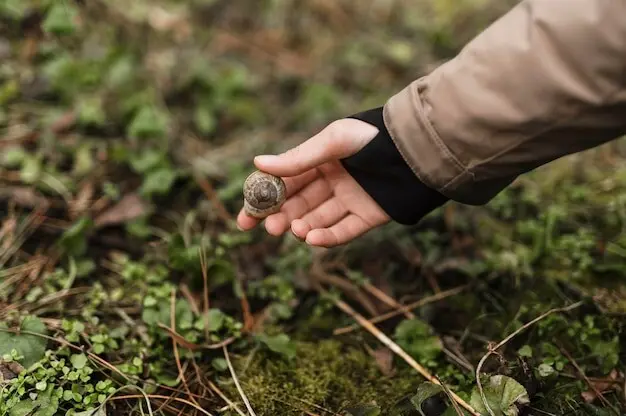
Ethical gathering begins with restraint, observation, and reciprocity. Take only from thriving populations, spread pressure across many patches, and leave the oldest, seed-bearing, or spore-rich specimens to lead renewal. Avoid trampling, pack out microtrash, and document rare finds without touching. Honor cultural protocols, ask permission, respect closures, and acknowledge Indigenous stewardship. Cooking then becomes a thank-you ritual, turning modest, mindful harvests into generous plates that feed both community and place.
Trust Your Fieldcraft, Verify Your Basket
Look-Alikes and Teaching Moments
Study dangerous doubles before you search for delicacies: water hemlock compared to anise-scented sweet cicely, false morels against true morels, yew needles near edible conifers. Build checklists that force repeated verification. When doubt lingers, abstain completely and document features for later study. Turn errors into lessons by debriefing with peers, updating notes, and refining your decision tree. Confidence should follow proof, not hunches, especially where altitude and isolation magnify consequences.
Altitude, Heat, and Hydration
Thin air sharpens sun, quickens fatigue, and throws sudden storms. Pack extra layers, electrolytes, and a reliable map plus backup navigation. Establish turnaround times, message a trusted contact with your plan, and respect lightning by leaving ridgelines early. Acclimatize gradually, eat salty snacks, and rest in shade during intense afternoon glare. A safe return is part of the recipe, seasoning tomorrow’s skillet with the quiet pride of sound judgment.
Tools and Trace
Choose a small, sharp knife, breathable baskets or mesh bags, and paper for mushrooms to prevent sweating and spoilage. Sanitize equipment between sites to avoid spreading pathogens or seeds. Snip cleanly above growth points where appropriate, and avoid churning soil. A brush clears debris without washing away character. Record coordinates generally, not precisely, in shared notes. Good tools guide good habits, leaving behind barely a whisper where you knelt to gather.
Hold the Season for Later
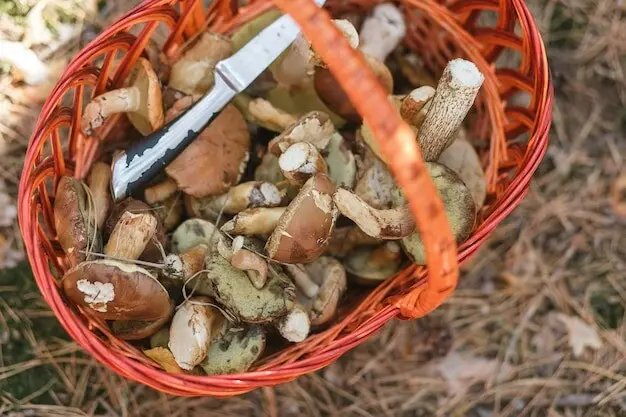
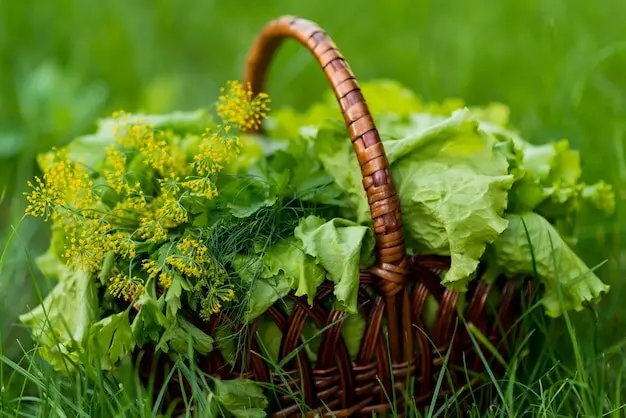
Preservation is a promise to winter. Dry mushrooms to intensify umami, freeze berries on trays for morning porridges, and pickle greens with reliable acidity for safety. Label precisely with species, location, and date to track patterns and inform future choices. Adjust processing times for altitude, keep clean workspaces, and trust simple, time-tested methods over elaborate shortcuts. Your pantry becomes a map of ridgelines, opening jars that pour warm trail sunlight into snowbound kitchens.
Drying and Powder Magic
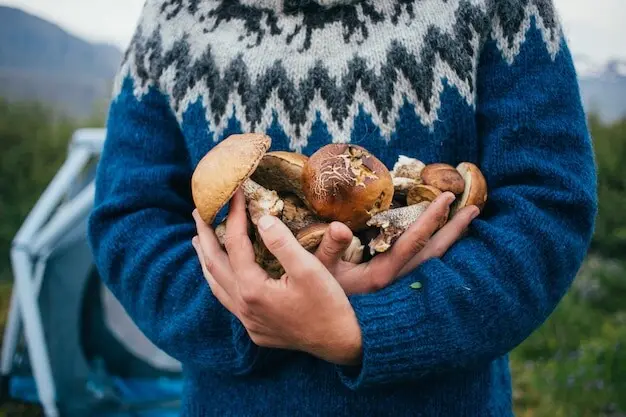
Slice boletes evenly, dry with steady airflow, and store in opaque jars with desiccant to protect aromatics. Later, blitz pieces into powder for rubs, broths, and sauces that anchor winter cooking. Hang herbs loosely, avoiding direct sun, and test for snap-dry doneness before sealing. A spoonful of concentrated forest lends complexity to everyday stews, making modest pantry staples feel celebratory without requiring another stormy drive to distant shops.
Brines, Vinegars, and Safe Heat
For pickles, use reliable recipes with 5 percent vinegar, clean jars, and altitude-adjusted processing. Keep low-acid foods out of improvised canning; choose freezing or rapid refrigeration instead. Lacto-ferment crunchy stems with salt brine, cool temperatures, and patience, tasting daily for brightness. Track pH when necessary, skim gently, and respect botulism science without fearmongering. Safety is a craft like knife skills, learned through repetition, notes, and a cheerful commitment to precision.
Cold, Freezer, and Aroma
Spread berries in a single layer, freeze solid, then bag to prevent clumps. Blanch greens before freezing to keep color, and press the air out kindly. Oil infusions demand caution; keep them refrigerated, short-lived, and based on safe guidelines. Rotate stores, share extras, and keep a running inventory on the pantry door. Opening those neatly labeled packages in January feels like unwrapping mountain sun painted onto quiet, crystalline mornings.
Trailhead Invitations
Set clear expectations: distance, terrain, pace, and weather contingencies. Share gear lists emphasizing water, layers, sun protection, and respectful containers. Open with a safety briefing and land acknowledgment, then pair mentors with newcomers. Keep radio checks or messaging intervals, and celebrate process over payload. A group that returns intact, smiling, and wiser has harvested what matters most, even when baskets carry more observations than edible prizes at day’s end.
Potluck Rituals
Craft menus that highlight one or two foraged accents per dish, letting flavors shine without pressure. Label allergens, invite plant-forward choices, and include simple staples for accessibility. Begin with a gratitude circle naming places, teachers, and nonhuman collaborators. Photograph plates with context, not coordinates. Gather recipes afterward into a seasonal zine, crediting cooks and landscapes alike. These small rituals turn meals into vows, promising to return care for every delicious gift.
Changing Seasons, Steady Care
As climate patterns tilt, snowlines retreat, fires intensify, and fruiting windows shift. We respond with data, humility, and stewardship. Track phenology, support restoration days, and choose low-impact travel. Advocate for watershed protections and responsible recreation. Celebrate small victories: a revegetated spur trail, a well-timed closure respected by all, a community science record that guides policy. Care is cumulative, like compost; layered patiently, it transforms fragility into resilient, delicious futures.


All Rights Reserved.